Understanding Today's Mortgage Rates: What You Need to Know
Curious about today's mortgage rates? Learn how current mortgage rates affect your monthly payments and the total cost of your home loan. Discover tips for securing the best rates with Mojave River Mortgage and get expert insights on factors influencing mortgage rates today.
Introduction:
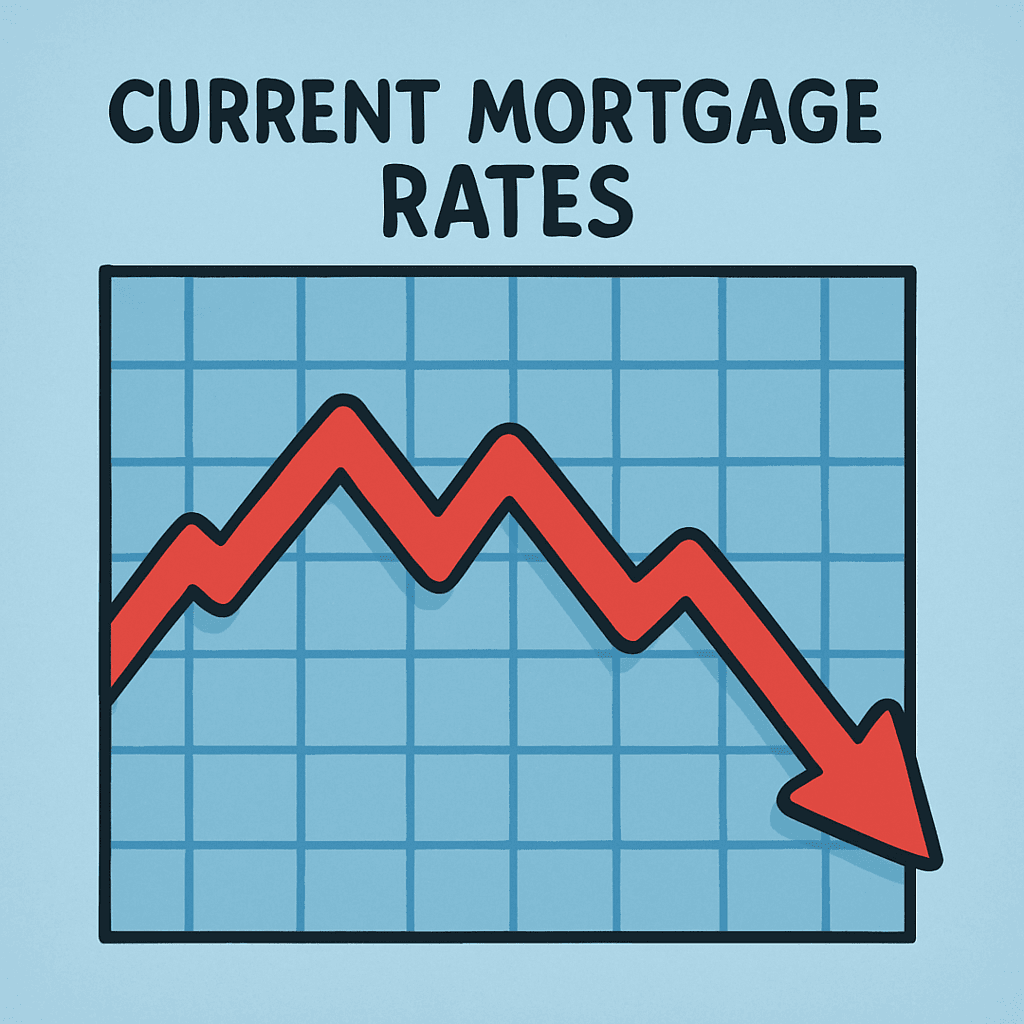
If you're considering buying a home or refinancing an existing mortgage, you’re likely wondering, “What are today’s mortgage rates?” Mortgage rates play a significant role in determining how much you’ll pay over the life of your loan. With rates constantly fluctuating, it’s crucial to stay informed to secure the best deal. In this post, we’ll break down what influences today’s mortgage rates, how they affect your mortgage payments, and tips for getting the best rates.
What Are Mortgage Rates?
Mortgage rates are the interest rates lenders charge borrowers for home loans. They vary depending on a range of factors including the economy, the type of loan, and your financial profile. The rate you receive directly impacts your monthly payment and the overall cost of your loan.
Factors That Influence Today's Mortgage Rates:
Economic Conditions: Interest rates tend to follow trends in the economy. When the economy is strong, mortgage rates typically rise. Conversely, during times of economic uncertainty, rates may decrease to stimulate borrowing.
Federal Reserve Policies: The Federal Reserve (Fed) sets benchmark interest rates, which influence the rates lenders offer. Changes in the Fed’s rates can directly impact mortgage rates.
Your Credit Score: A higher credit score typically means you qualify for lower rates, as lenders view you as a less risky borrower.
Loan Term and Type: Shorter-term loans (like 15-year mortgages) usually come with lower rates compared to longer-term loans (like 30-year mortgages). Additionally, fixed-rate mortgages generally have different rates compared to adjustable-rate mortgages (ARMs).
Loan Amount and Down Payment: Larger loans and lower down payments often lead to higher rates.
How Today's Mortgage Rates Affect You:
Your mortgage rate affects your monthly payment and how much you will pay in interest over the term of the loan. For example, even a small difference in rates can add up to significant savings over time.
Impact on Monthly Payments: A lower rate means your monthly payments are lower, and you pay less in interest.
Impact on the Total Cost of Your Loan: The total interest you’ll pay over the life of your loan decreases with a lower rate, saving you thousands of dollars in the long run.
Tips to Get the Best Mortgage Rates Today:
Maintain a Good Credit Score: The higher your credit score, the more likely you are to secure a lower rate.
Consider Different Loan Types: Depending on your financial situation, an ARM or shorter-term loan might offer a lower rate than a traditional 30-year fixed mortgage.
Shop Around: Mortgage rates can vary by lender, so it’s important to compare offers from different financial institutions.
Lock in Your Rate: If you find a favorable rate, consider locking it in to protect against potential rate increases.
Conclusion:
Staying informed about today’s mortgage rates is key to making wise financial decisions when purchasing a home or refinancing. By understanding the factors that influence rates and how they affect your payments, you can better navigate the mortgage process and secure the best deal. Whether you’re a first-time homebuyer or refinancing, working with an experienced mortgage broker can help you find the most competitive rates available.