Conventional One-Time Close Construction Loans: A Complete Guide
A Conventional One-Time Close (OTC) construction loan lets you finance your build and your permanent mortgage with a single closing. You’ll make interest-only payments during construction on the funds drawn, then the loan converts to a long-term fixed or ARM when the home is complete—no second closing. Benefits include one set of fees, extended rate-lock protection (often with float-down options), cancellable PMI above 80% LTV, and the ability to use existing lot equity toward your down payment. Get an appraisal “subject to completion,” approve your builder and plans, set a realistic draw schedule and contingency, and avoid change-order overruns. This guide covers eligibility, the step-by-step process, costs, PMI choices, and FAQs so you can decide if a conventional OTC is the right path for your new home.
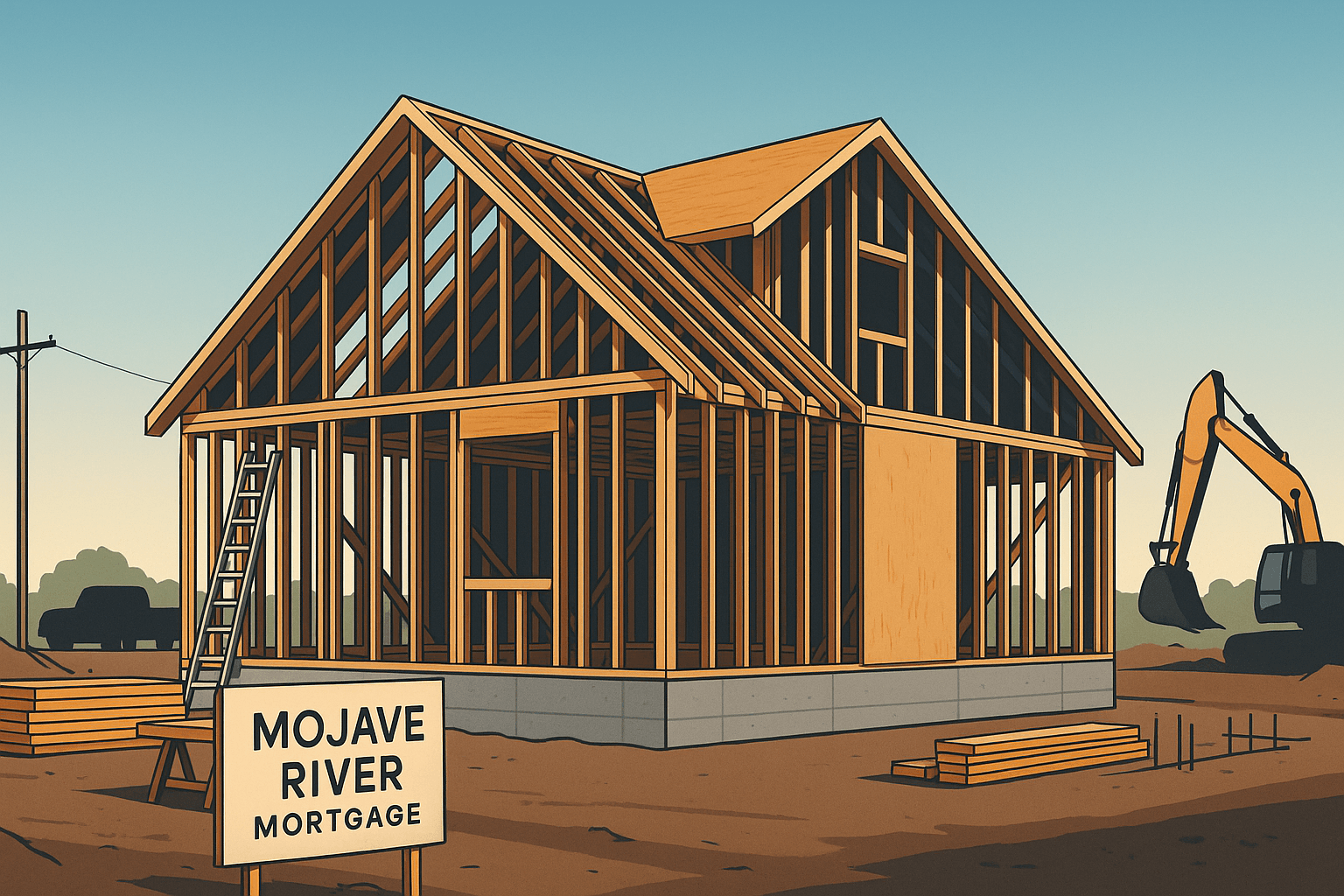
Building your home from the ground up doesn’t have to mean juggling two separate loans, two underwrites, and two sets of closing costs. A Conventional One-Time Close (OTC)—also called Single-Close or Construction-to-Permanent (C2P) financing—wraps the interim construction financing and the long-term mortgage into a single closing. Here’s how it works, who it’s for, and how to decide if it’s the right fit.
What is a Conventional One-Time Close?
A conventional OTC is a mortgage that funds in two phases under one closing:
Construction phase: Interest-only payments on the funds actually drawn for construction (not the full loan amount). The lender manages a draw schedule and inspections as the builder hits milestones.
Permanent phase: When the home is complete, the loan seamlessly converts to your long-term mortgage (fixed or ARM) without re-closing or new title work.
Because it’s conventional, it follows agency-style guidelines (as opposed to FHA/VA) and may offer cancellable private mortgage insurance (PMI) when equity reaches 20%.
Key Benefits
One closing, one set of fees. Avoids duplicate title, appraisal, and underwriting costs that come with separate construction + permanent loans.
Rate protection. Many programs offer extended locks (often 6–12 months) with optional float-down features if rates improve before conversion.
Smoother underwriting. Qualify once upfront; conversion after completion is administrative if conditions are met.
PMI can be cancellable. If you start above 80% loan-to-value (LTV), PMI may be removed later when equity hits 20% per investor rules.
Land equity counts. If you already own the lot, that equity can apply toward your down payment.
Who It’s Best For
Borrowers with good to excellent credit who want the flexibility and potential savings of conventional financing.
Buyers engaging a licensed, experienced general contractor using fixed-price or cost-plus contracts.
Households with enough cash flow to handle interest-only payments during the build.
Owners who already have a buildable lot or a tear-down strategy with approved plans.
Owner-builder setups (you act as your own general contractor) are often not allowed or come with tighter requirements. Ask before you plan DIY.
Typical Eligibility (varies by lender)
Occupancy: Primary; many lenders also allow second homes. Investor builds are limited.
Property: Stick-built single-family homes; some allow detached ADUs. Manufactured/modular may be restricted.
Credit & Income: Strong credit history and stable qualifying income.
Down Payment & LTV: Commonly 5%–20% down for primary residences (PMI if >80% LTV). Requirements can be higher for second homes.
Reserves: Post-closing reserves (e.g., a few months of PITI) may be required.
Builder Approval: Licensed GC, acceptable contract, plans/specs, budget, timeline, insurance, and references.
How the Process Works
Pre-Approval & Budgeting
Align your target price, desired features, and monthly payment with a pre-approval for the completed home.Builder & Plan Approval
Provide the construction contract, detailed plans & specs, cost breakdown, build timeline, and proof of builder’s license & insurance.Appraisal “Subject to Completion”
The appraiser values the home based on your plans, specs, and lot—often using a “subject to” report and market comps.Single Closing
You sign everything upfront: the construction note and the permanent mortgage. Closing costs and prepaid items are handled once.Draws & Inspections
The lender releases funds in stages per the draw schedule (foundation, framing, MEP rough-ins, drywall, finish, final). Inspections verify progress.Conversion to Permanent
After final inspection and certificate of occupancy, the loan converts to your permanent mortgage terms (no second closing).
Rates, Locks & Payment Mechanics
During construction: Interest-only on amounts drawn, not the full loan.
Extended locks: Many programs offer long locks with float-down options; terms and fees vary.
Permanent terms: Fixed-rate or ARM choices set at close; your APR reflects the combined construction/permanent structure.
Closing Costs & Reserves to Expect
Standard mortgage costs (origination, title, recording) — paid once.
Construction admin fees (draw/inspection, project review).
Contingency reserve (often 5–10% of hard costs) to cover overages/changes.
Permit/impact fees and soft costs (architectural, engineering, surveys).
Interest reserve (optional) if you prefer to escrow construction-phase interest rather than make monthly payments.
PMI on Conventional OTC
If your LTV is over 80% at closing, PMI usually applies when the loan converts to permanent. Options often include monthly borrower-paid PMI or single-premium PMI (sometimes financed). PMI may be cancellable once you reach 80% LTV/equity under investor rules.
What Can Go Wrong (and How to Avoid It)
Change-order creep: Lock your specs early; keep a 5–10% contingency.
Timeline slip: Build realistic buffers for weather, labor, and materials.
Appraisal gap: Price plans and finishes to match neighborhood values.
Owner-builder pitfalls: Use a licensed GC unless your lender explicitly allows otherwise.
Quick Checklist
✅ Pre-approval and target budget
✅ Lot ownership docs and site feasibility
✅ Licensed GC + builder package (license, insurance, references)
✅ Construction contract (fixed price or cost-plus), plans/specs, cost breakdown, timeline
✅ Appraisal “subject to completion”
✅ Contingency, soft costs, and (optional) interest reserve
✅ Extended rate-lock strategy and PMI plan (if applicable)
FAQs
Can I use my land as the down payment?
Yes—existing lot equity generally counts toward your required down payment, subject to appraisal and seasoning rules.
Do I make payments during construction?
Usually interest-only on drawn funds. If you escrow an interest reserve, it can cover those payments.
What if costs run over?
Your contingency is the first line of defense. Additional funds typically come from you; increasing the loan amount mid-build may require re-approval.
Can I build an ADU with an OTC?
Some lenders allow an ADU on a 1-unit primary residence. Check property eligibility early.
Are self-performed labor or DIY materials financed?
Generally no. Lenders want verifiable third-party invoices from licensed contractors.
Work with a Construction-Savvy Lender
Conventional OTC programs involve many moving parts—plans, permits, draws, inspections, PMI, and long rate locks. A lender who regularly manages construction loans can save you time, money, and headaches.